Belgian Manicure: A Technique of Natural Care and a Delicate Finish
25.11.2025
What Is a Belgian Manicure and Why It’s Perfect for a Delicate Manicure
The Belgian manicure technique has long attracted people who want a neat, natural-looking and delicate manicure without risking skin irritation.
The method follows one simple rule: no clippers, scissors, harsh bits or tools that can injure the cuticle. Instead, it focuses on gentleness, natural beauty and the healthy appearance of the nails.
How the Belgian Manicure Differs From Other Methods
Compared to European, hardware or combined manicure techniques, the difference becomes obvious in the very first minutes.
The European technique uses a remover, the hardware technique relies on an electric file, while the combined method mixes cutting and non-cutting approaches. In the Belgian method, none of this is used — only soft cuticle softening, moisturizing and light buffing.
This gentle approach ensures the skin remains smooth and conditioned for longer, with fewer hangnails and less dryness.
What the Result Looks Like: Naturalness and Delicacy Without Harsh Lines
The signature feature of the Belgian manicure lies in its final finish.
The transition between the nail colour and the tip is smooth and blended, creating a soft gradient effect. It resembles a delicate winter manicure, subtle nude styling or a natural barely-there finish.
This look is especially loved by those searching for manicure for short nails delicate, clean and understated — and also by fans of minimalist delicate nail art.

Steps of the Belgian Manicure — a Maximumly Delicate Technique
This technique does not reshape the nail; it enhances what is already naturally beautiful. That’s why it’s perfect for those looking for ideas for delicate manicures on short nails and soft feminine designs.
1. Softening and Cleansing
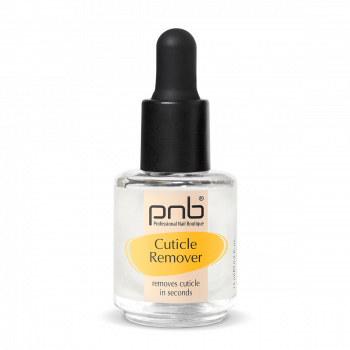
The cuticle is not cut — only softened with a gentle remover and then carefully pushed back without trauma.
2. Light Buffing
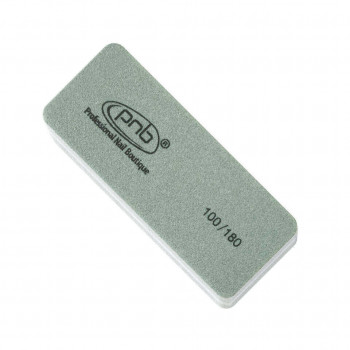
The goal is to achieve smoothness without altering the nail structure. Soft buffers and gentle files are used to polish.
3. Moisturizing and Restoration
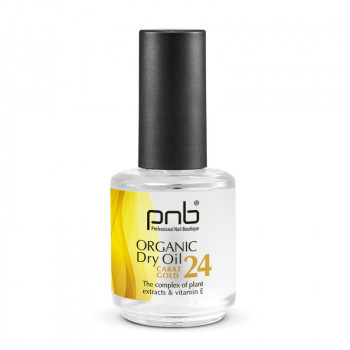
Oils and balms help maintain skin elasticity and prolong the effect of well-groomed hands.
4. Applying the Coating
For the Belgian manicure, professionals often choose:
- natural nude tones,
- a soft gradient,
- milky camouflage shades.
Such a finish perfectly complements delicate winter manicure looks and timeless natural aesthetics.
It also works beautifully with a delicate French manicure or even soft delicate Christmas nails for the holiday season.
Who the Belgian Manicure Is Best For
This technique is appreciated by those who:
- prefer natural beauty and a delicate manicure over bold effects;
- want to minimize irritation and skin trauma;
- have sensitive cuticles;
- work in fields where neat, understated hands matter;
- need a gentle alternative after intense salon treatments.
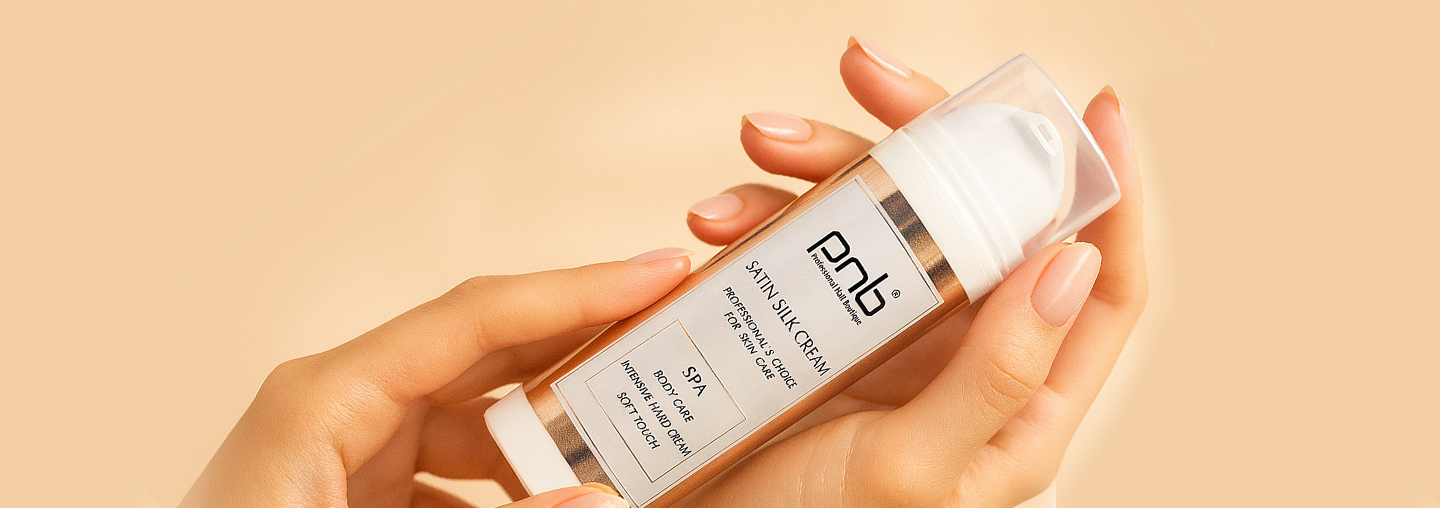
Why the Belgian Manicure + PNB Coatings = the Perfect Match
Because the technique is so delicate, the coating must be flexible yet durable.
PNB gel polishes create a dense but elastic layer that is perfect for nude finishes and delicate manicure for short nails.
For a soft gradient, ideal choices include:
- camouflage shades,
- nude colours,
- milky palettes,
- transparent bases.
Benefits of the Belgian Manicure
- minimal risk of cuts and irritation;
- fewer hangnails over time;
- a well-groomed appearance for 2–3 weeks;
- an ideal base for nude, gradient and delicate nail art;
- suitable for sensitive skin.
Conclusion
The Belgian manicure is all about minimalism, gentle care and naturally delicate beauty.
If you love soft tones, blended gradients and a clean natural look — this manicure style is worth trying.
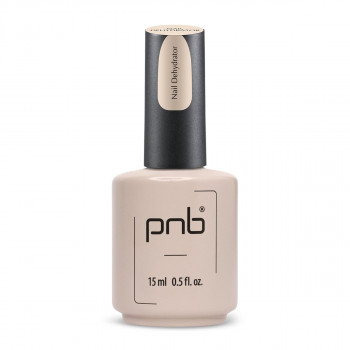
To achieve the best results, choose high-quality bases, gel polishes and care products available on our website.